Efficient circulation is essential for overall wellness and recovery. Every cell in the body depends on a steady supply of oxygen and nutrients to function properly, adapt to physical demands, and maintain balance.
Photobiomodulation has gained recognition for its ability to support circulation and oxygen delivery through light based interaction with biological tissue. Rather than acting directly on blood vessels, this approach works at the cellular and signaling level, supporting processes that influence vascular function and efficiency.
If you are new to photobiomodulation, start with our foundational guide,What Is Photobiomodulation and How Does It Support Cellular Recovery, which explains how light interacts with cells.
Why Circulation Matters for Wellness and Recovery
Circulation is responsible for transporting oxygen, nutrients, and signaling molecules throughout the body. It also plays a role in removing metabolic byproducts produced during normal cellular activity.
When circulation is efficient, cells are better equipped to meet energy demands, support tissue maintenance, and adapt to physical or environmental stress.
Because circulation affects nearly every system in the body, supporting vascular efficiency is a foundational element of recovery focused wellness strategies.
How Oxygen Supports Cellular Function
Oxygen is essential for cellular energy production. Inside mitochondria, oxygen is used during oxidative phosphorylation, the process that generates adenosine triphosphate, or ATP.
As discussed in our article on mitochondrial health,How Photobiomodulation Supports Mitochondrial Health and Cellular Energy, ATP production depends on efficient oxygen availability.
When oxygen delivery is optimized, mitochondria can operate more efficiently, supporting energy production and cellular resilience.
What Is Nitric Oxide and Why Is It Important?
Nitric oxide is a signaling molecule produced naturally in the body. It plays an important role in vascular function by helping regulate how blood vessels respond to physiological demands.
Healthy nitric oxide signaling supports normal blood vessel dilation, which can improve circulation and oxygen delivery to tissues.
This signaling pathway is one of the primary mechanisms through which photobiomodulation is believed to support circulation.
How Photobiomodulation Influences Circulation
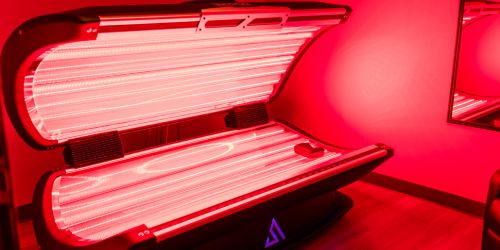
Photobiomodulation delivers red and near infrared light that is absorbed by cells within tissue. This light interaction can influence nitric oxide availability and cellular signaling related to vascular function.
By supporting nitric oxide pathways, photobiomodulation may help create an internal environment that supports healthy circulation without forcing changes in blood flow.
This gentle modulation aligns well with wellness focused approaches that prioritize balance and adaptability.
Red and Near Infrared Light and Vascular Support
Both red and near infrared light play a role in supporting circulation, though they interact with tissue at different depths.
As explained in our article on wavelength differences, Red vs Near Infrared Light Therapy, red light primarily affects surface tissues, while near infrared light penetrates deeper into muscle and connective tissue.
This deeper penetration allows near infrared light to interact with vascular structures located beneath the surface, supporting broader circulation related processes.
How Circulation Supports Recovery
Recovery depends on efficient delivery of oxygen and nutrients to tissues following physical activity or daily stress.
Improved circulation supports:
- Oxygen delivery to working tissues
- Nutrient transport for cellular maintenance
- Removal of metabolic byproducts
- Efficient cellular communication
By supporting these processes, photobiomodulation contributes to an environment where recovery can occur more efficiently.
Photobiomodulation and Physical Performance Support
In wellness and performance settings, photobiomodulation is often incorporated into routines designed to support consistent activity levels.
Efficient circulation helps tissues respond to repeated physical demands by ensuring that oxygen and nutrients are readily available during and after activity.
This makes circulation support an important component of long term performance focused wellness strategies.
How Photobiomodulation Is Used to Support Circulation in Wellness Settings
In wellness focused environments, photobiomodulation is delivered using medical grade systems that provide precise wavelengths and controlled output.
Sessions may target specific areas or larger regions depending on individual recovery and wellness goals. The emphasis remains on supporting cellular and vascular processes rather than producing immediate localized effects.
You can learn more about how LaserLab integrates photobiomodulation into circulation supportive wellness routines by visiting our targeted laser therapy page.
How Often Is Photobiomodulation Used for Circulation Support?
Photobiomodulation is typically used consistently rather than occasionally. Regular sessions allow cellular and vascular adaptations to build over time.
Many individuals incorporate photobiomodulation into weekly wellness routines as part of a broader recovery focused lifestyle.
Safety Considerations for Circulation Focused Photobiomodulation
Photobiomodulation is widely regarded as safe when delivered using appropriate wavelengths and protocols.
Because it does not rely on heat or tissue disruption, it is well tolerated and suitable for repeated use in wellness settings.
Why Circulation Support Is Foundational to Wellness
Wellness is built on efficient biological systems working together. Circulation plays a central role in supporting energy production, cellular communication, and recovery.
By supporting circulation at the cellular signaling level, photobiomodulation aligns with modern wellness approaches that focus on long term balance and resilience.
Bringing It All Together
Photobiomodulation supports circulation and oxygen delivery by influencing cellular and vascular signaling rather than forcing changes in blood flow.
This gentle, science informed approach makes it a valuable tool for individuals focused on recovery, performance, and overall wellness.
When used consistently, photobiomodulation helps create an internal environment where cells receive the oxygen and nutrients they need to function efficiently and recover effectively.