
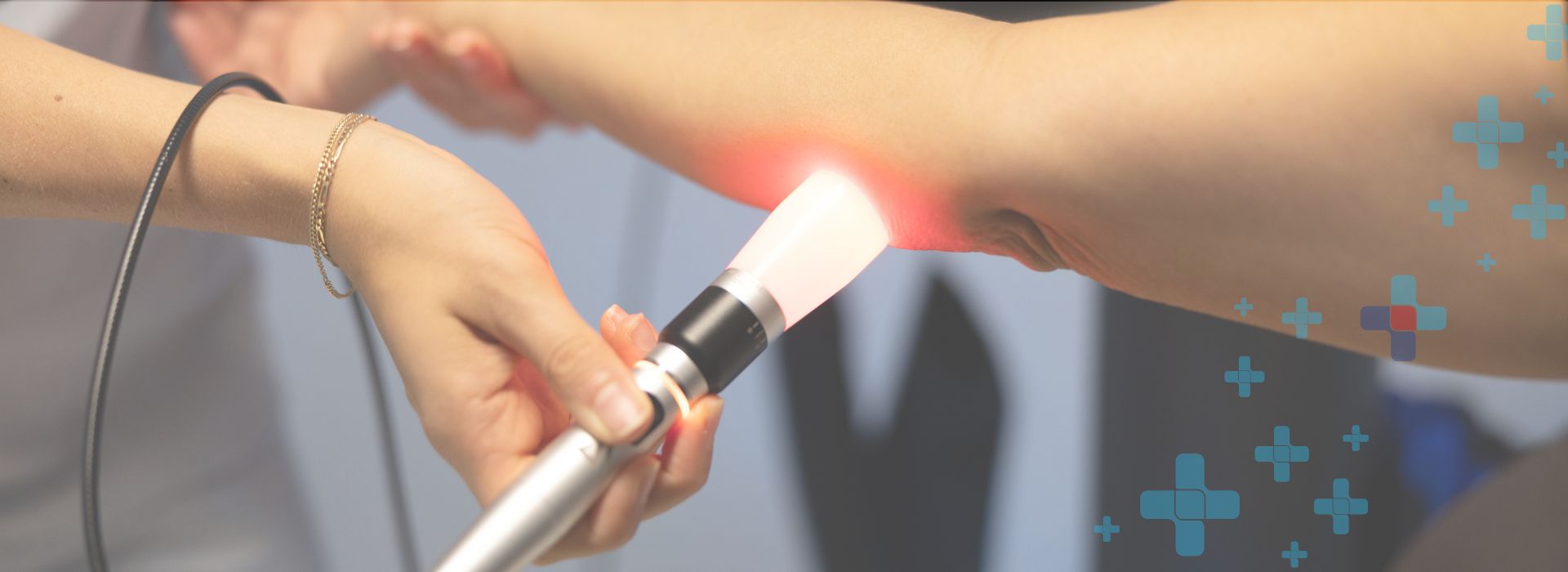
Photobiomodulation is gaining attention across wellness, recovery, and performance spaces, but for many people, the term still feels unfamiliar. You may have heard it described as light therapy, laser therapy, or red and near-infrared light treatment. While the names vary, the underlying science is well established and continues to be studied in medical and research settings around the world.
At its core, photobiomodulation refers to the use of specific wavelengths of light to support natural cellular processes. Rather than forcing change in the body, this technology works by interacting with cells at a biological level to encourage efficiency, balance, and recovery.
This article breaks down what photobiomodulation is, how it works inside the body, and why it is increasingly used in wellness-focused recovery environments.
What Is Photobiomodulation?
Photobiomodulation is a therapeutic approach that uses red and near-infrared light to stimulate cellular activity. The term itself explains the process.
- Photo refers to light
- Bio refers to living tissue
- Modulation refers to change or regulation
Together, photobiomodulation describes how light energy influences biological function.
Unlike heat-based therapies or invasive procedures, photobiomodulation does not rely on raising tissue temperature or damaging cells to create a response. Instead, carefully calibrated light wavelengths are absorbed by cells and used as a form of energy.
This process has been studied for decades and is supported by research in fields such as sports science, rehabilitation, neurology, and cellular biology.
How Does Photobiomodulation Work at the Cellular Level?
To understand how photobiomodulation supports recovery, it helps to look at what happens inside your cells.
Every cell in the body contains mitochondria. These are often referred to as the power centers of the cell because they produce adenosine triphosphate, or ATP. ATP is the molecule responsible for storing and transferring energy that cells need to function.
When red or near-infrared light enters the body, it penetrates tissue and reaches these mitochondria. Certain components within the mitochondria absorb this light and respond by becoming more efficient at producing ATP.
This increase in cellular energy availability allows cells to perform their normal functions more effectively. In a wellness and recovery context, this can support processes such as tissue renewal, circulation, and cellular resilience following physical or environmental stress.
Why Are Red and Near-Infrared Light Used?
Not all light wavelengths interact with the body in the same way. Photobiomodulation relies primarily on red and near-infrared light because of their unique ability to penetrate tissue.
- Red light generally affects surface and near-surface tissues
- Near-infrared light penetrates deeper into muscles, joints, and connective tissue
These wavelengths fall within what is often called the optical window, meaning they are absorbed efficiently by biological tissue without causing damage.
This is why photobiomodulation devices are engineered to emit very specific wavelengths rather than broad-spectrum light.
What Happens to Cells During Photobiomodulation?
When cells absorb therapeutic light, several well-documented biological responses can occur.
One key effect is improved mitochondrial efficiency. As ATP production becomes more efficient, cells have greater access to usable energy.
Another response involves the modulation of oxidative stress. Light exposure can influence how cells manage reactive oxygen species, which are a normal byproduct of metabolism. Balanced oxidative activity is essential for cellular health and recovery.
Photobiomodulation has also been associated with changes in nitric oxide signaling. Nitric oxide plays a role in vascular function and circulation, which can support oxygen and nutrient delivery throughout the body.
Together, these responses contribute to an environment where cells are better equipped to recover and adapt.
How Does Photobiomodulation Support Recovery?
Recovery is not a single event. It is a coordinated process that involves cellular repair, circulation, nervous system balance, and energy availability.
Photobiomodulation supports recovery by working at the foundation of these systems rather than targeting symptoms.
By improving cellular energy production, tissues may recover more efficiently after physical exertion or daily stress. Enhanced circulation can support nutrient delivery and waste removal. Nervous system signaling may shift toward a more regulated state, which is important for overall wellness.
Is Photobiomodulation Scientifically Supported?
Yes. Photobiomodulation has been studied in thousands of peer-reviewed articles over the past several decades.
Research has explored its effects on cellular metabolism, mitochondrial activity, circulation, and tissue response. While study outcomes vary depending on wavelength, dosage, and application method, the foundational biological mechanisms are well documented.
Many medical-grade photobiomodulation devices are cleared by regulatory agencies for general wellness and recovery use, further supporting their safety when used appropriately.
How Is Photobiomodulation Different From Traditional Laser Treatments?
Photobiomodulation is distinct from surgical or ablative laser procedures.
Traditional medical lasers often rely on high heat or tissue disruption to achieve their effect. Photobiomodulation uses low-level or therapeutic light that does not damage tissue.
The goal is not to destroy or remove tissue, but to encourage the body’s natural biological processes to function more efficiently.
Who Uses Photobiomodulation for Wellness and Recovery?
Photobiomodulation is used across a wide range of wellness-focused populations.
Athletes often incorporate it into recovery routines to support muscle performance and training consistency. Wellness-focused individuals use it to support energy levels and physical resilience. Others integrate photobiomodulation into broader recovery plans that include movement, nutrition, and rest.
What Should You Look for in a Photobiomodulation Provider?
Not all light therapy systems are created equal.
Effective photobiomodulation requires precise wavelengths, proper power output, and thoughtful application protocols.
You can learn more about how LaserLab approaches this technology by exploring our targeted laser therapy services.
Why Photobiomodulation Fits a Wellness-First Approach
Modern wellness is shifting away from reactive care and toward proactive support.
Photobiomodulation fits this mindset because it focuses on optimizing how the body functions rather than addressing problems after they arise.
By supporting cellular energy, circulation, and recovery processes, light-based therapies align with long-term wellness goals such as performance, resilience, and vitality.